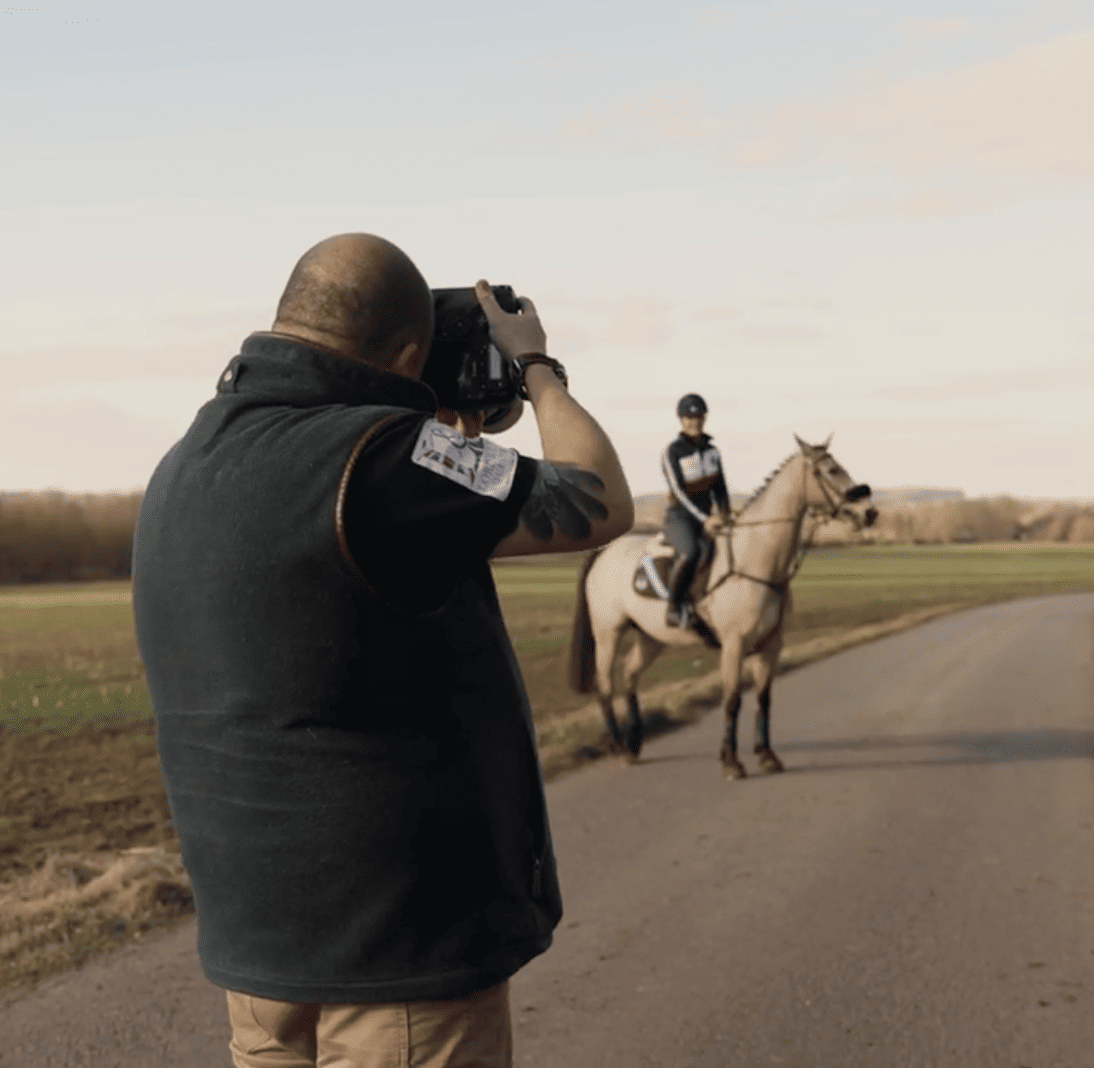
As a photographer/videographer every click of the camera or frame of video tells a unique story, and these stories need a safe and reliable home. In today’s digital age, that means having a robust backup strategy. In this blog, we’ll explore various storage options for backing up your precious files and ultimately conclude why SSDs, despite their cost, are the best choice for photographers and videographers.
– Nick Rosendale,Founder | Events Through a Lens
As a photographer/videographer every click of the camera or frame of video tells a unique story, and these stories need a safe and reliable home. In today’s digital age, that means having a robust backup strategy. In this blog, we’ll explore various storage options for backing up your precious files and ultimately conclude why SSDs, despite their cost, are the best choice for photographers and videographers.
– Nick Rosendale,Founder | Events Through a Lens
The Importance of Backing Up
Before delving into storage options, let’s reiterate why backing up your files is non-negotiable.
In a world where digital media reigns supreme, losing your work can be devastating. Whether it’s due to hardware failure, accidental deletion, or a catastrophic event like theft or fire, having backups ensures your creative endeavors are never lost.
Sign up to MEDIA MENTORS to access the rest of this article and many more.
External hard drives are a staple in the world of photographers and videographers.
They offer vast storage capacities at relatively affordable prices. While HDDs are a reliable choice for backup, they come with downsides. Their spinning platters make them susceptible to physical damage and slower read/write speeds, which can be frustrating when dealing with large media files.
2.
Network Attached Storage (NAS)
NAS devices are like personal cloud storage for your home or studio.
They provide a centralised location for file storage and can be accessed from multiple devices. NAS systems are great for collaborative work but might be overkill for individual photographers. They often require technical know-how to set up and maintain.
3.
Cloud Storage
Cloud storage services like Google Drive, Dropbox, and Amazon AWS are convenient and offer excellent redundancy.
They ensure your files are accessible from anywhere with an internet connection. However, the cost can add up over time, especially when dealing with large media libraries. Additionally, you rely on the security measures of the cloud provider.
4.
SSDs (Solid-State Drives)
Now, let’s discuss the star of the show: SSDs. While SSDs are more expensive than HDDs, they offer a compelling set of advantages. First and foremost, they’re incredibly fast, reducing the time spent waiting for files to transfer or load. For photographers and videographers working on large, high-resolution projects, this speed is a game-changer.
Moreover, SSDs are more durable and reliable than HDDs because they lack moving parts. They can withstand physical shocks better and have a longer lifespan, which is crucial when protecting your irreplaceable media files.
SSDs come in various forms:
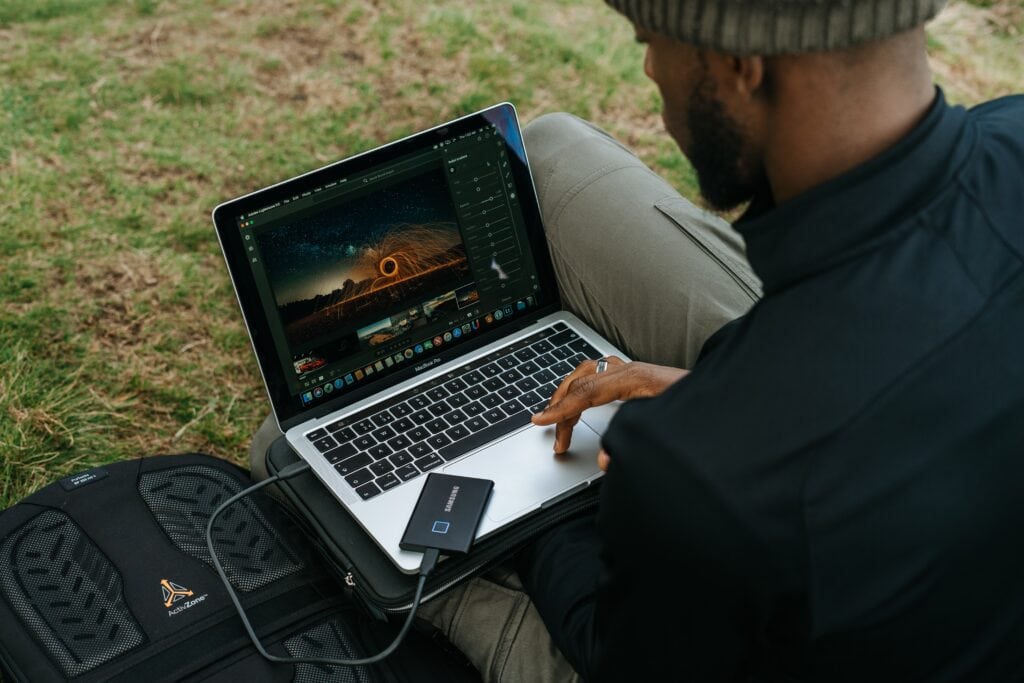
Portable SSDs: These are small and lightweight, making them perfect for on-the-go photographers and videographers. They offer the convenience of quick backups during shoots.
Internal SSDs: If you’re looking for a primary storage solution, internal SSDs can be installed in your computer or camera. They provide fast access to your files while maintaining data integrity.
External SSDs: For a combination of speed and portability, external SSDs are an excellent choice. They offer large storage capacities and are ideal for transferring and backing up media files.
Conclusion
Some final words
In the world of photography and videography data storage is not a choice; it’s a necessity. While there are various options available, SSDs clearly stand out as the best choice. Their speed, durability, and reliability make them an investment worth considering.
That said, it’s important to acknowledge that SSDs can be expensive, especially when dealing with larger storage capacities. However, when you weigh the cost against the potential loss of your valuable work, the choice becomes clearer. In the ever-evolving digital landscape, the peace of mind that comes with secure and speedy SSD storage is truly priceless. So, as a photographer/videographer, make the smart choice and prioritise the safety of your creative legacy with SSDs.