Mastering Videography with Electronic Gimbals: Tips, Tricks, and Creative Shots

by Nick Rosendale

Introduction

Videography has evolved significantly with the introduction of electronic gimbals. These stabilizing devices have revolutionized the way filmmakers capture smooth, cinematic footage. In this comprehensive guide, we’ll explore the world of videography using electronic gimbals, offering tips, tricks, and insights into how to use them effectively.

– Nick Rosendale, Founder | Events Through a Lens

Videography has evolved significantly with the introduction of electronic gimbals. These stabilizing devices have revolutionized the way filmmakers capture smooth, cinematic footage. In this comprehensive guide, we’ll explore the world of videography using electronic gimbals, offering tips, tricks, and insights into how to use them effectively.

– Nick Rosendale, Founder | Events Through a Lens

Understanding Electronic Gimbals:

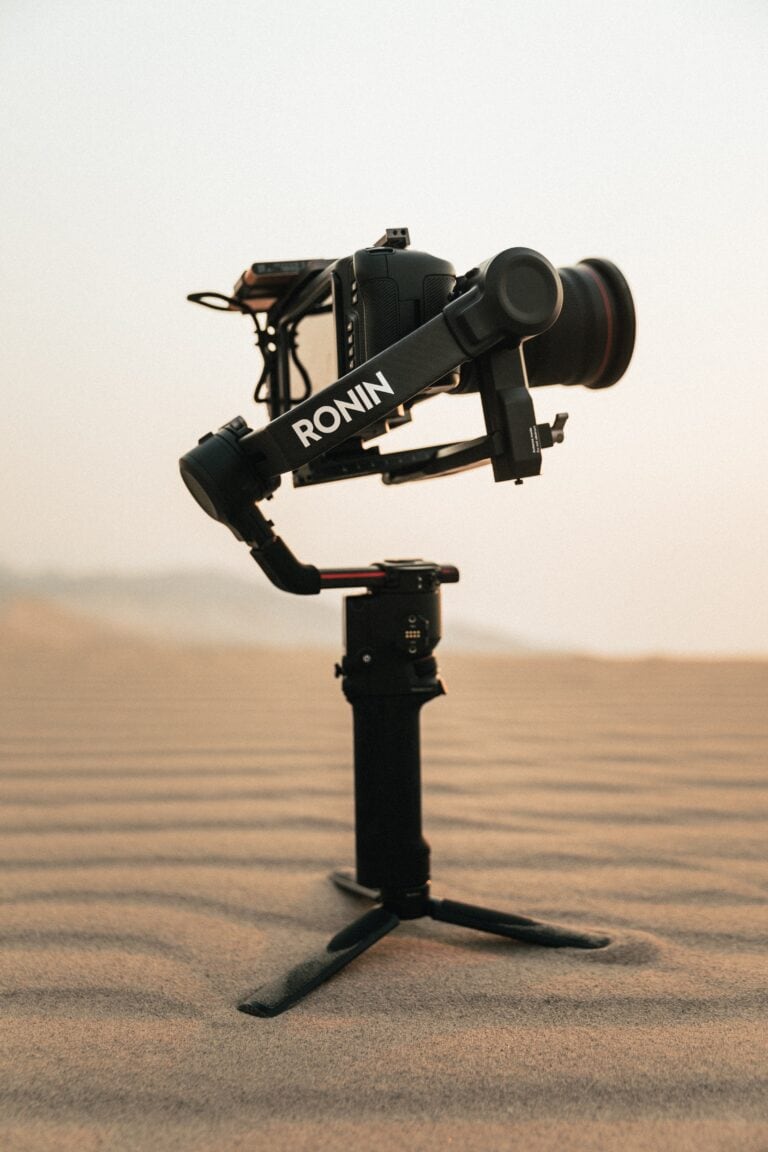
An electronic gimbal is a handheld stabilizing device designed to eliminate camera shake and vibrations. It works by using motors and sensors to counteract unwanted movements, allowing videographers to capture silky-smooth footage, even while walking or in motion.

Sign up to MEDIA MENTORS
to access the rest of this article and many more.

Already a member?

Sign In

1.

Tips for Using an Electronic Gimbal

  1. Balancing is key.
    Before you start shooting, ensure that your camera is correctly balanced on the gimbal. Proper balance ensures the gimbal’s motors work efficiently and prevents strain on the device
  2. Practice Makes Perfect.
    Familiarize yourself with the gimbal’s controls and settings. Practice using it in various scenarios to gain confidence and improve your shooting skills.
  3. Smooth Movements.
    When operating a gimbal, focus on making slow, deliberate movements. Avoid jerky motions, as these can be distracting in the final footage.
  4. Use a Monitor.
    Consider attaching an external monitor to your setup to monitor framing and focus, especially when shooting from awkward angles or using the gimbal in underslung mode.
  5. Follow the Three-Point Contact Rule.
    Maintain stability by having three points of contact with your body. This typically involves two hands on the gimbal and one hand on your camera.
  6. Plan Your Shots.
    Pre-visualize your shots and movements. Having a plan before you start shooting will help you capture the most engaging footage.

2.

Walking with a Gimbal

One of the most common uses of a gimbal is to capture steady shots while walking or moving.

Here are some tips for walking with a gimbal.

  1. Maintain a Steady Pace.
    Walk at a consistent, slow pace to ensure smooth movement. Imagine you’re gliding rather than walking.
  2. Bend Your Knees.
    Slightly bend your knees while walking to absorb shocks and vibrations, resulting in smoother footage.
  3. Heel-Toe Technique.
    Roll your feet from heel to toe with each step. This minimizes vertical bounce.
  4. Use Body Movement.
    Incorporate subtle body movements to enhance your shots. For example, tilt the gimbal slightly while walking to add dynamic angles to your footage.

3.

Creative Shots with Electronic Gimbals

Electronic gimbals open up a world of creative possibilities for videographers.
Here are some shots where gimbals excel.

  1. Tracking Shots.
    Follow a subject smoothly as they move, creating a cinematic tracking shot. This is great for capturing dynamic action sequences.
  2. Low-Angle Shots.
    Gimbals allow you to achieve steady low-angle shots with ease, providing a unique perspective.
  3. 360-Degree Panoramas.
    Use the gimbal’s joystick to perform controlled 360-degree panoramic shots, capturing breathtaking vistas or architectural details.
  4. Orbit Shots.
    Create visually captivating orbit shots by smoothly circling around a subject or object.
  5. Whip Pan.
    Execute rapid whip pans to transition between scenes or add a dramatic effect to your storytelling.
  6. Dynamic Walk-and-Talk.
    Walk alongside a subject while maintaining a steady frame, ideal for interviews or on-location dialogues.

Conclusion

Some final words

Electronic gimbals are indispensable tools for modern videographers.

By mastering the techniques of balancing, smooth movements, and creative shot composition, you can elevate your videography to new heights. Whether you’re capturing cinematic scenes, vlogs, or documentaries, a gimbal can be your secret weapon for achieving professional-quality footage that engages and captivates your audience. So, grab your gimbal, practice these tips and tricks, and unleash your creative potential in the world of videography.



Keep reading

More articles this way