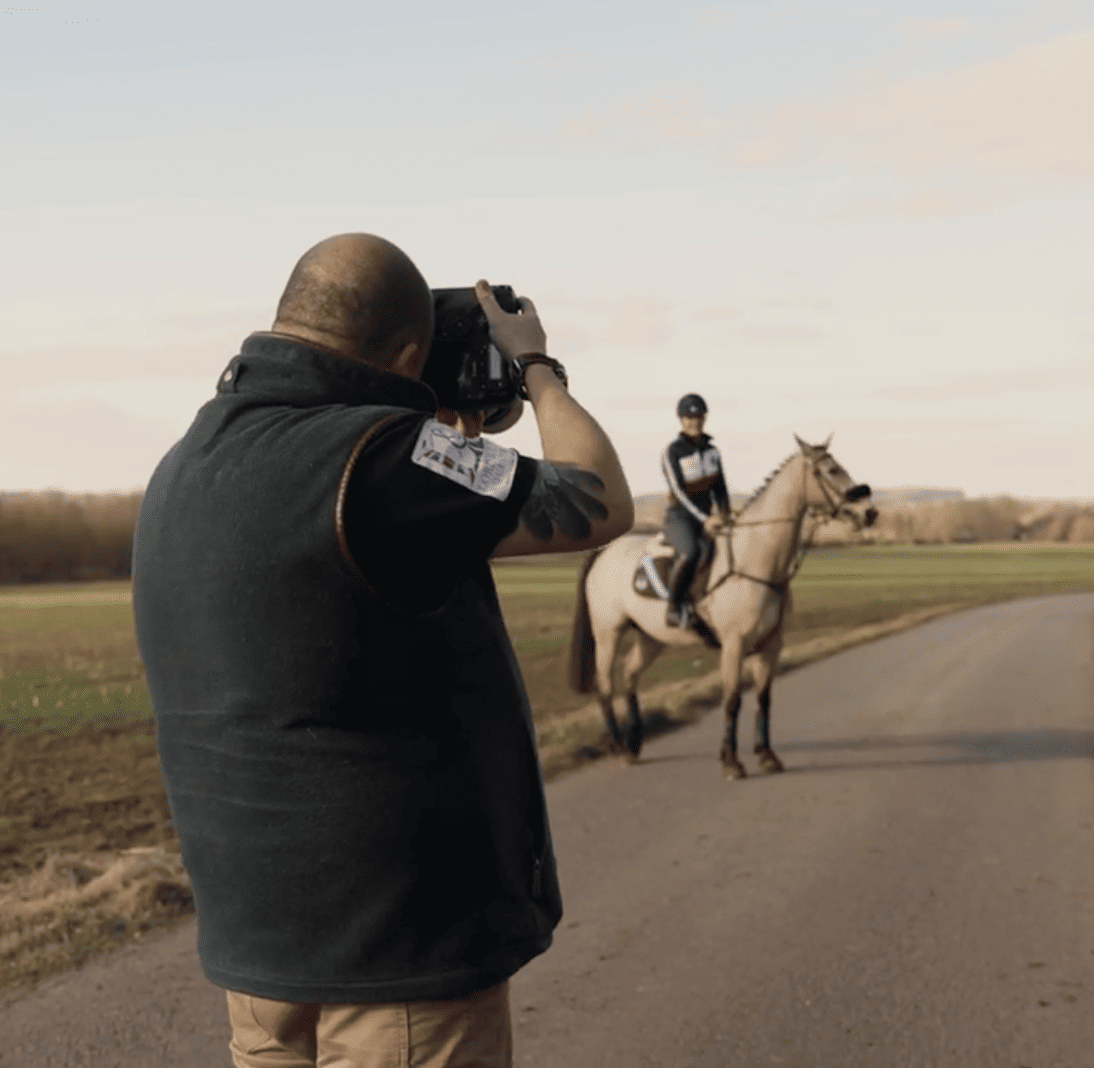
In the world of videography, capturing stunning footage often involves mastering various techniques, and one that can truly elevate your work is the art of slow motion. Slow-motion footage adds a cinematic quality, emphasizing details and creating a visually captivating experience for the audience. In this blog post, we’ll delve into the techniques for mastering slow motion, helping you take your videography skills to the next level.
– Nick Rosendale,Founder | Events Through a Lens
In the world of videography, capturing stunning footage often involves mastering various techniques, and one that can truly elevate your work is the art of slow motion. Slow-motion footage adds a cinematic quality, emphasizing details and creating a visually captivating experience for the audience. In this blog post, we’ll delve into the techniques for mastering slow motion, helping you take your videography skills to the next level.
– Nick Rosendale,Founder | Events Through a Lens
1.
Understanding Frame Rates
To achieve smooth slow-motion footage, it’s crucial to understand frame rates.
The standard frame rate for most videos is 24 frames per second (fps). However, shooting at higher frame rates, such as 60fps, 120fps, or even 240fps, allows you to slow down the footage in post-production without sacrificing quality.
Sign up to MEDIA MENTORS to access the rest of this article and many more.
Not all cameras are created equal when it comes to slow-motion capabilities.
High-end cinema cameras and some advanced DSLRs offer higher frame rate options. Explore the slow-motion capabilities of your camera and choose the settings that suit your creative vision.
Slow-motion footage adds a cinematic quality, emphasizing details and creating a visually captivating experience for the audience.
3.
Lighting Considerations
Slow-motion footage can be more sensitive to changes in lighting.
Ensure your scene is well-lit to maintain clarity and detail in each frame. Experiment with different lighting setups to find what works best for your specific slow-motion shots.
4.
Smooth Motion
Avoid jerky or shaky movements when shooting slow-motion footage.
Use stabilizers, gimbals, or other stabilization tools to ensure smooth and fluid motion. Smooth camera movements can enhance the overall impact of your slow-motion sequences.
5.
Selecting the Right Subjects
Certain subjects lend themselves better to slow-motion capture.
Water droplets, falling leaves, or even the graceful movement of a dancer can create mesmerizing slow-motion sequences. Experiment with different subjects to discover what works best for your creative vision.
6.
Post-Production Magic
The real magic of slow-motion often happens during post-production.
Use professional video editing software to slow down your footage while maintaining high resolution. Experiment with different speeds to find the perfect balance for your desired effect.
7.
Adding Dramatic Effect
Slow-motion footage is an excellent tool for adding a dramatic touch to your storytelling.
Whether it’s capturing the intensity of a sports moment or the subtleties of an emotional scene, slow motion allows you to heighten the impact and engage your audience on a deeper level.
8.
Syncing with Music
Consider syncing your slow-motion sequences with music.
The rhythmic relationship between slow-motion visuals and a well-chosen soundtrack can create a powerful and immersive viewing experience.
Conclusion
Some final words
Mastering slow motion in videography requires a combination of technical knowledge, creative intuition, and post-production skills.
By understanding frame rates, choosing the right equipment, and applying thoughtful techniques, you can elevate your footage and create stunning visual stories that captivate your audience. Embrace the art of slow motion, and let your creativity unfold in every frame.