Welcome to our photography journey, where we dive into the intricacies of capturing stunning images. Today, we’re shining a spotlight on a fundamental aspect of photography—aperture—and its magical companion, depth of field. Whether you’re a beginner or looking to refine your skills, understanding aperture can significantly enhance your creative control over your photographs.
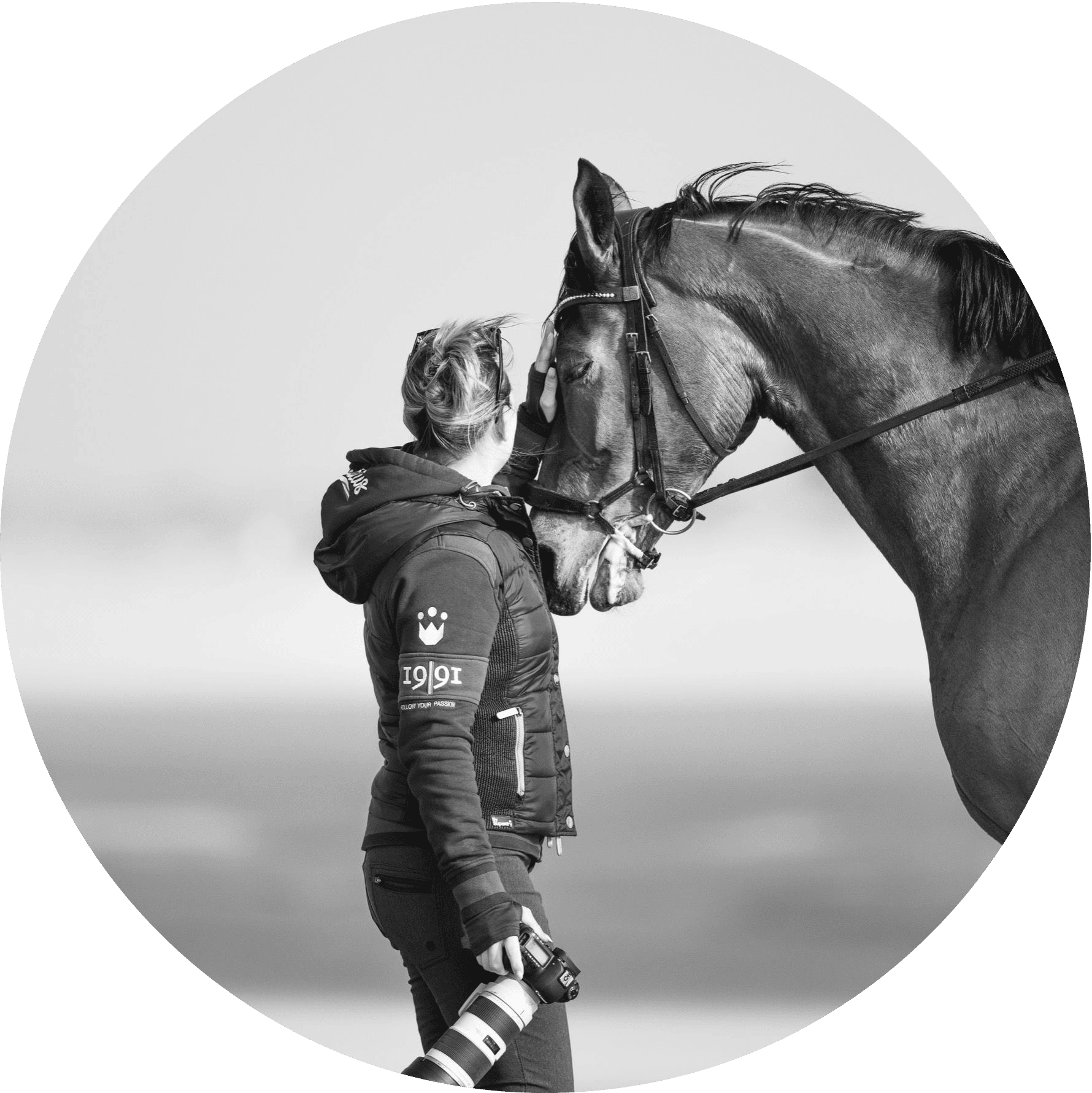
– Kate Mower,Photographer | Events Through a Lens
Welcome to our photography journey, where we dive into the intricacies of capturing stunning images. Today, we’re shining a spotlight on a fundamental aspect of photography—aperture—and its magical companion, depth of field. Whether you’re a beginner or looking to refine your skills, understanding aperture can significantly enhance your creative control over your photographs.
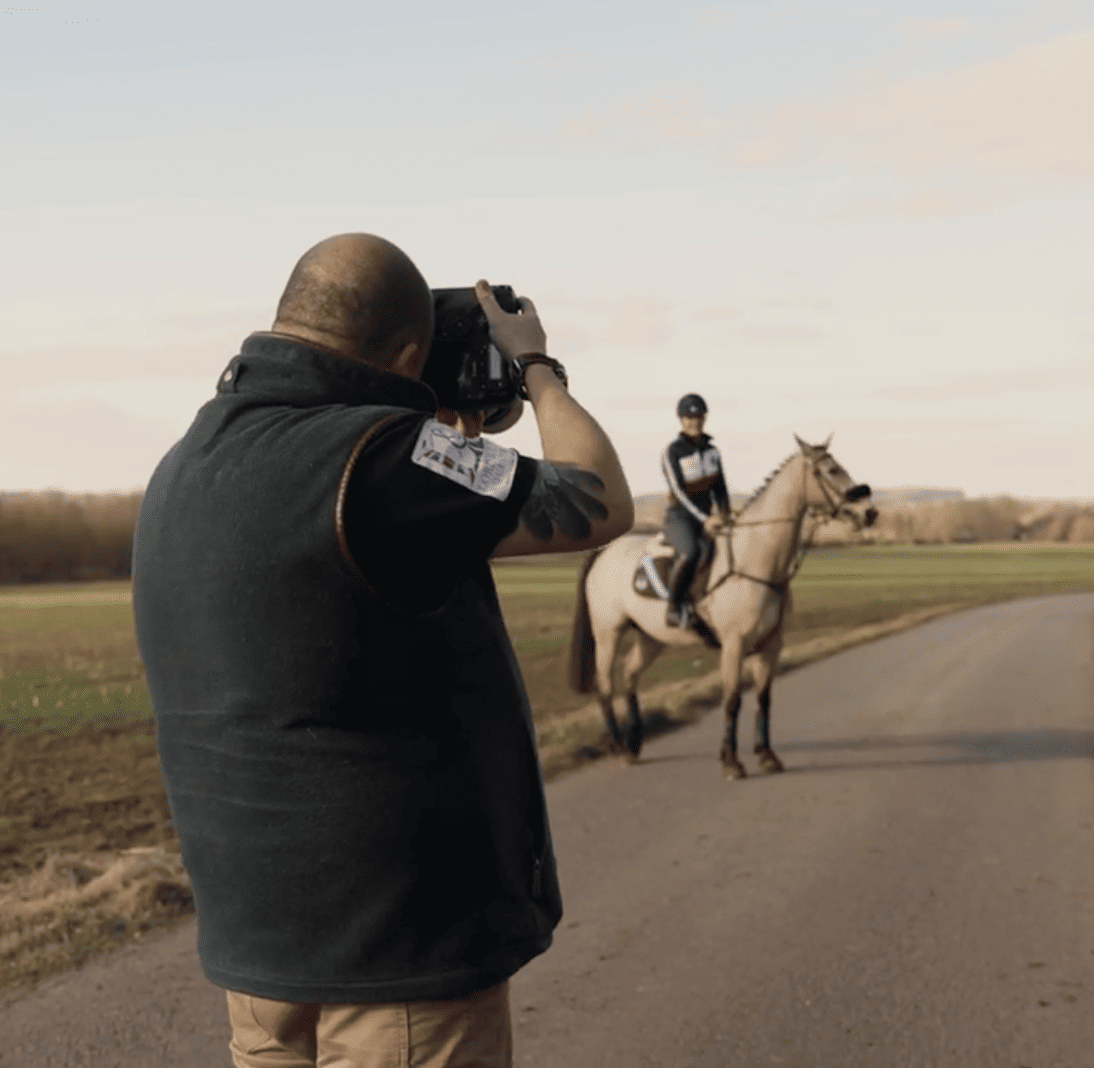
– Kate Mower,Founder | Events Through a Lens
1.
The Basics of Aperture
Let’s start with the basics. Aperture refers to the opening in the lens through which light passes to reach the camera’s sensor. It is measured in f-stops, such as f/1.8, f/4, f/8, etc. The smaller the f-number, the wider the aperture, and vice versa. Understanding this concept is crucial for achieving the right exposure in your photos.
Sign up to MEDIA MENTORS to access the rest of this article and many more.
Depth of field (DOF) is the range of sharpness in a photo, from the nearest to the farthest object. It is influenced by the aperture setting, among other factors. A wide aperture (small f-number like f/1.8) creates a shallow depth of field, isolating the subject from the background. In contrast, a narrow aperture (larger f-number like f/16) results in a deeper depth of field, keeping more elements in focus.
Aperture isn't just about exposure—it's a powerful tool for artistic expression.
3.
Creative Control with Aperture
Aperture isn’t just about exposure—it’s a powerful tool for artistic expression. Explore how a wide aperture can create dreamy bokeh in portrait photography, emphasizing your subject while beautifully blurring the background. On the flip side, experiment with narrow apertures for landscape shots, ensuring everything from the foreground to the horizon remains crisply detailed.
4.
Balancing Act: Aperture and Exposure
Achieving the perfect exposure involves finding a balance between aperture, shutter speed, and ISO. Dive into practical tips for maintaining this balance while experimenting with different apertures. Understand how adjusting one setting can impact the others and the overall look of your image.
Conclusion
Some final words
As you continue your photographic journey, remember that experimentation is key.
Embrace the creative possibilities that aperture provides, and let your unique vision shine through each and every frame. Stay tuned for more photography insights and tips on our ongoing exploration into the fascinating realm of capturing moments in time.