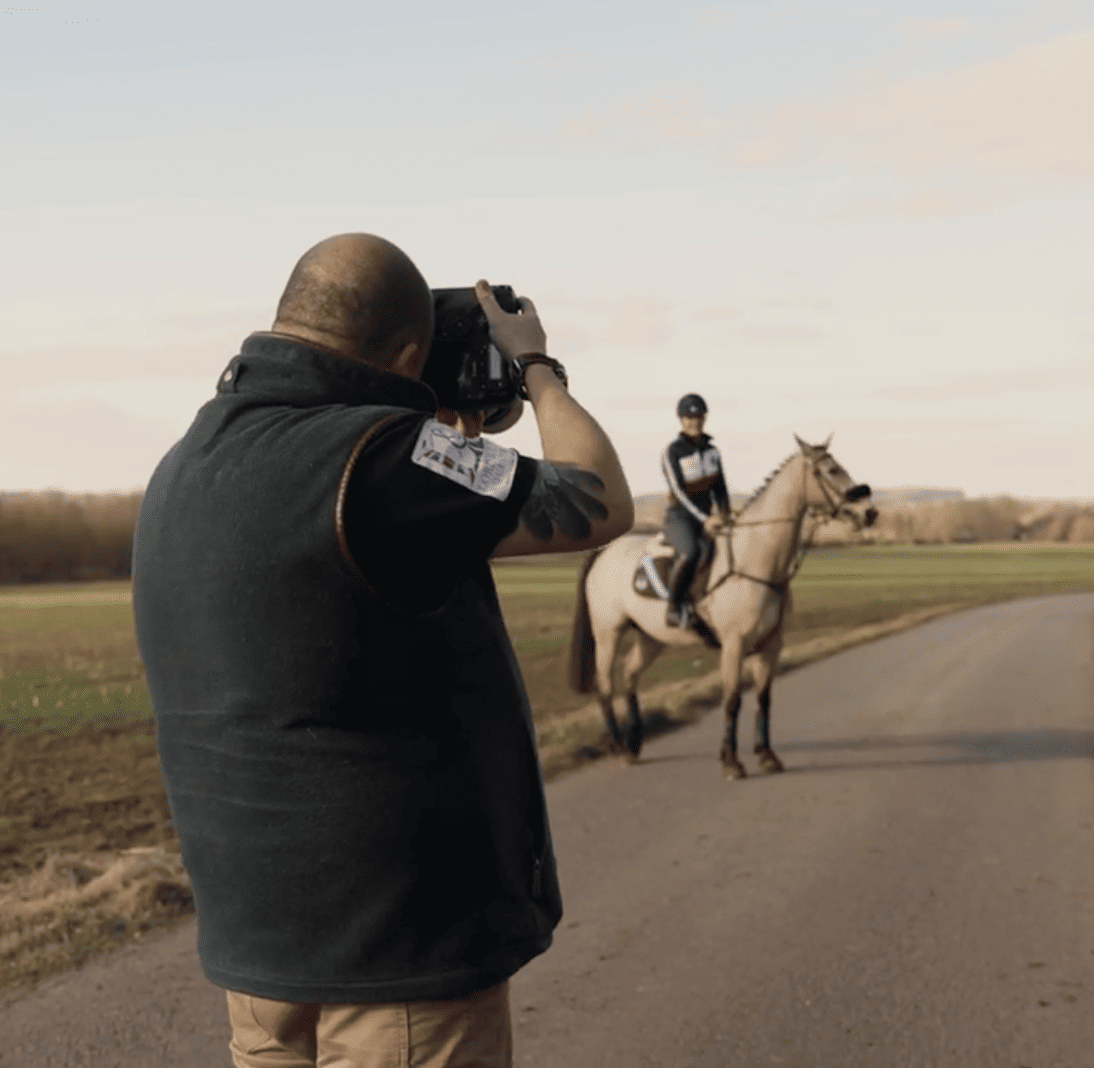
In the world of photography and videography, establishing your value is crucial for long-term success. While the allure of exposure and the promise of potential paid gigs may tempt many to offer their services for free, it’s essential to recognise the inherent risks and pitfalls associated with this practice. In this blog post, we’ll explore why knowing your value is paramount, and why working for exposure might not always be the stepping stone to a thriving career.
– Nick Rosendale,Founder | Events Through a Lens
In the world of photography and videography, establishing your value is crucial for long-term success. While the allure of exposure and the promise of potential paid gigs may tempt many to offer their services for free, it’s essential to recognise the inherent risks and pitfalls associated with this practice. In this blog post, we’ll explore why knowing your value is paramount, and why working for exposure might not always be the stepping stone to a thriving career.
– Nick Rosendale,Founder | Events Through a Lens
1.
The Exposure Myth
One of the most prevalent misconceptions in the creative industry is the idea that working for free will automatically lead to exposure and, subsequently, paid opportunities.
While exposure can be beneficial in some cases, it rarely translates into a sustainable income. Clients who seek free services often perceive the work as less valuable, and the lack of financial investment may undermine the perceived professionalism of the photographer or videographer.
Sign up to MEDIA MENTORS to access the rest of this article and many more.
When you provide your services for free, it’s not uncommon for clients to view your work as less professional or of lower quality.
This perception can be detrimental to your reputation and make it challenging to secure paid opportunities in the future. Clients may question the value of your work, assuming that if you were truly skilled, you would charge for your services.
Clients may question the value of your work, assuming that if you were truly skilled, you would charge for your services.
3.
The True Cost of Your Work
Before accepting any project, it’s essential to calculate the true cost of your work.
Consider not only the expenses related to your equipment and travel but also the value of your time and expertise. Underestimating your worth not only diminishes the perceived value of your work but can also lead to burnout and financial strain.
4.
Covering Your Costs
To build a sustainable career, it’s crucial to ensure that your costs are covered in every project.
This includes equipment maintenance, travel expenses, and a fair compensation for your time and expertise. By charging appropriately, you not only protect your financial well-being but also signal to clients that you take your work seriously and provide a high level of professionalism.
5.
Reiterating Your Value
When discussing terms with potential clients, don’t hesitate to reiterate the value of your knowledge, equipment, and time.
Emphasise the unique skills and perspective you bring to the table, reinforcing the idea that your services are an investment in quality. This approach will attract clients who appreciate your expertise and are willing to compensate you accordingly.
Conclusion
Some final words
In the competitive world of photography and videography, understanding your value is paramount.
While working for exposure or free projects may seem like a strategic move, it often leads to a cycle of undervaluation and missed opportunities. By confidently asserting your worth, covering your costs, and emphasising the professionalism of your services, you pave the way for a successful and sustainable career in the creative industry. Remember, you are not just capturing moments; you are an invaluable asset to the visual storytelling landscape.