Photography is a powerful medium for freezing moments in time, but sometimes, we want to convey the sense of motion within a still image. One effective technique for achieving this is the panning shot. Panning shots allow you to capture a subject in sharp focus while blurring the background, creating a dynamic and engaging image. In this blog, we will explore how to create compelling panning shots that showcase movement within a still frame.
– Kate Mower,Photographer | Events Through a Lens
Photography is a powerful medium for freezing moments in time, but sometimes, we want to convey the sense of motion within a still image. One effective technique for achieving this is the panning shot. Panning shots allow you to capture a subject in sharp focus while blurring the background, creating a dynamic and engaging image. In this blog, we will explore how to create compelling panning shots that showcase movement within a still frame.
– Kate Mower,Photographer | Events Through a Lens
1.
What Is Panning?
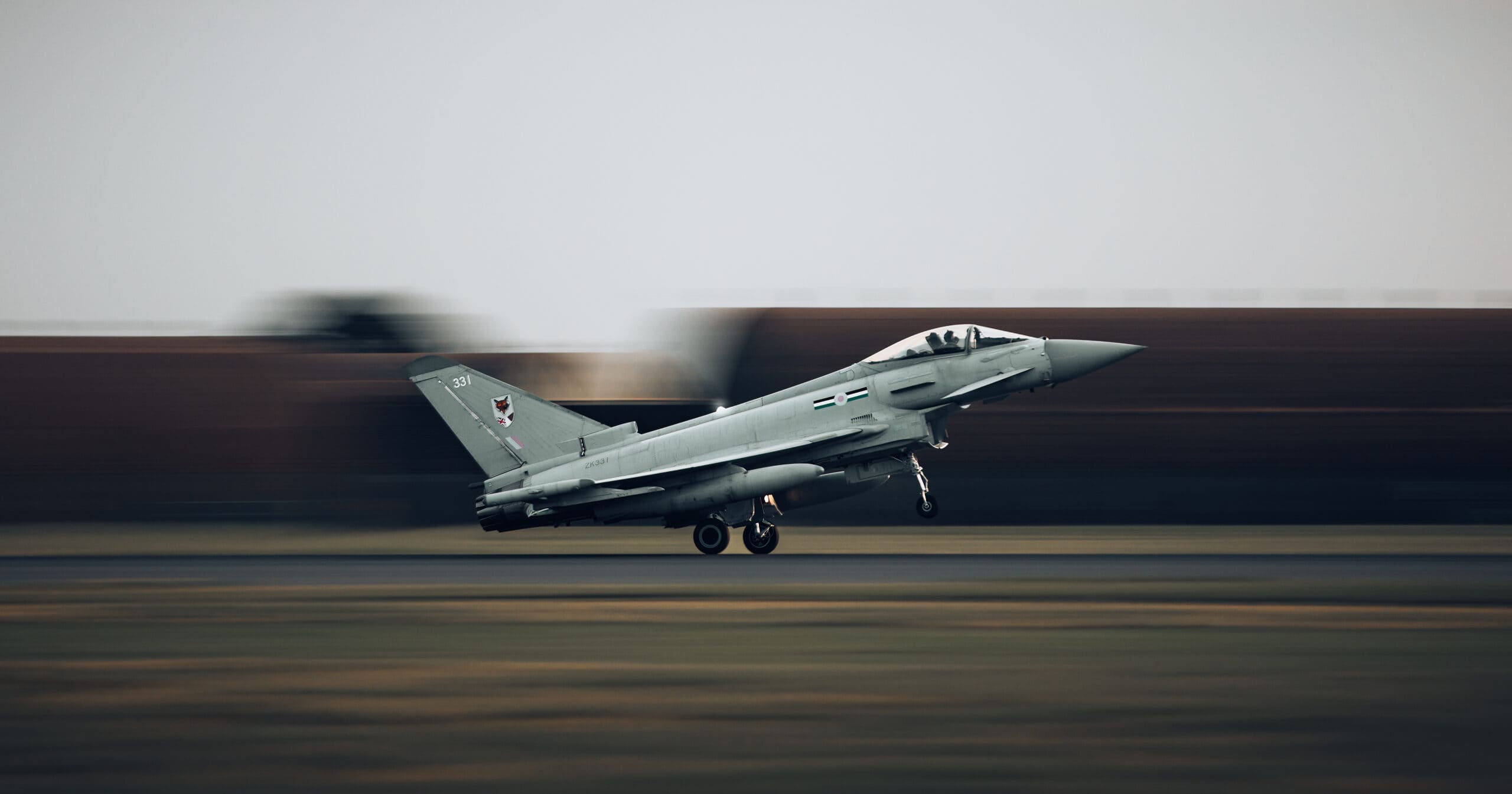
Panning is a photographic technique in which you follow a moving subject with your camera while taking a shot. By matching the speed of your subject’s movement, you can keep it in sharp focus, while the background and surroundings become a streak of motion blur. The result is a visually captivating image that conveys a sense of speed and movement.
Here’s a step-by-step guide to help you master panning shots:
Choose the Right Equipment Camera: While you can use any type of camera for panning shots, a DSLR or mirrorless camera with manual control over settings is ideal for precise adjustments. Lens: A lens with a focal length of around 50-200mm is a good choice. Telephoto lenses allow you to capture distant subjects and emphasize motion.
Set your Camera to Burst Mode Switch to continuous shooting mode (often referred to as burst mode) so you can capture a sequence of shots with a single press of the shutter button. This increases your chances of getting a perfect panning shot.
Use the Correct Focus Mode Set your camera to continuous or AI Servo focus mode. This mode helps your camera track moving subjects and continuously adjust focus as the subject moves through the frame.
Sign up to MEDIA MENTORS to access the rest of this article and many more.
Select the appropriate Shutter Speed Shutter speed is crucial for panning shots. To create the desired motion blur in the background while keeping your subject sharp, you should start with a slow shutter speed. A shutter speed between 1/30th and 1/125th of a second is often a good starting point. Experiment with different settings to achieve the best results for your specific situation.
Plan your Composition
Before the subject enters the frame, pre-focus on the spot where you intend to take the shot. This will save time and ensure that your subject is in focus when you release the shutter. Consider the composition of your shot and where you want your subject to be positioned within the frame.
Follow the Subject As the subject approaches, smoothly rotate your camera to match its speed and direction of movement. Keep the subject centered in your frame and maintain a consistent, smooth motion. This is the key to achieving a sharp subject with a blurred background.
By matching the speed of your subject's movement, you can keep it in sharp focus, while the background and surroundings become a streak of motion blur. The result is a visually captivating image...
Conclusion
Some final words
Practice, Practice, Practice
Panning shots can be challenging, so don’t be discouraged if your initial attempts don’t turn out as expected. Practice is the key to improving your panning skills. Experiment with different shutter speeds, subjects, and locations to find what works best for you.
Panning shots are a fantastic way to capture the energy and movement in a still image. By mastering this technique, you can add an exciting dimension to your photography. Remember to select the right equipment, choose the appropriate settings, and practice consistently to refine your skills. With patience and dedication, you’ll be able to capture stunning panning shots that tell a compelling visual story. So, grab your camera and get out there to experiment with this exciting technique!