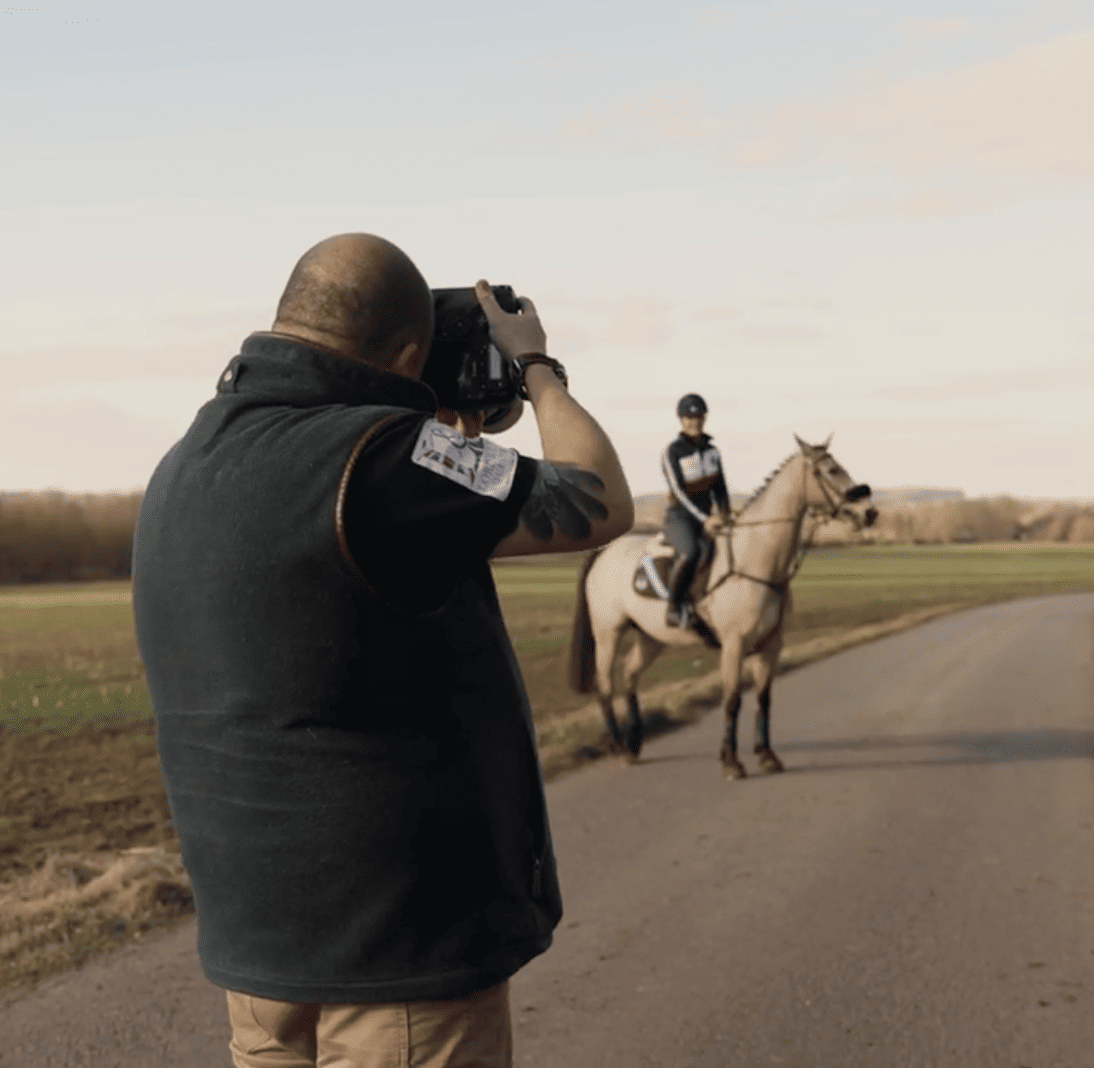
Capturing the perfect moment in a photograph is an art, and at the heart of this art lies a fundamental concept: shutter speed. Shutter speed is more than just a technical setting; it’s the maestro orchestrating the rhythm of your images. In this blog post, we’ll unravel the mysteries behind shutter speed and explore how mastering it can elevate your photography to new heights.
– Kate Mower,Photographer | Events Through a Lens
Capturing the perfect moment in a photograph is an art, and at the heart of this art lies a fundamental concept: shutter speed. Shutter speed is more than just a technical setting; it’s the maestro orchestrating the rhythm of your images. In this blog post, we’ll unravel the mysteries behind shutter speed and explore how mastering it can elevate your photography to new heights.
– Kate Mower,Photographer | Events Through a Lens
1.
Understanding Shutter Speed
Shutter speed is measured in seconds or fractions of a second.
It determines how long your camera’s shutter remains open, exposing the camera sensor to light. A fast shutter speed, like 1/1000s, freezes motion, while a slow shutter speed, such as 1/30s, allows for a more extended exposure, capturing movement and creating a sense of flow.
Sign up to MEDIA MENTORS to access the rest of this article and many more.
Ever wanted to capture a speeding car or a soaring bird in perfect clarity?
High shutter speeds are your go-to. By opening and closing the shutter rapidly, you freeze fast-paced action, resulting in sharp, detailed images. This technique is ideal for sports photography, wildlife shots, or any scenario where swift movements demand precision.
Shutter speed is a critical component of the exposure triangle, working in harmony with aperture and ISO.
3.
embracing motion with slow shutter speeds
On the flip side, slow shutter speeds open up a world of creativity by introducing an element of motion blur.
Whether it’s the silky flow of a waterfall or the streaks of light in a bustling cityscape, slower shutter speeds add a dynamic and artistic touch to your images. This technique is particularly effective in low-light situations, creating stunning effects with intentional blurs.
4.
Balancing exposure for perfect shots
Shutter speed is a critical component of the exposure triangle, working in harmony with aperture and ISO.
Finding the right balance ensures well-exposed photos. For example, in low-light conditions, a slower shutter speed might be necessary, but be cautious of introducing too much blur. Experimentation is key to discovering the sweet spot for each unique setting.
5.
creative application of shutter speed
Beyond freezing or blurring motion, shutter speed offers various creative possibilities.
Long exposure photography, achieved with slow shutter speeds, can transform ordinary scenes into surreal landscapes, capturing light trails, star trails, or even the mesmerizing movement of clouds.
Conclusion
Some final words
In the realm of photography, understanding and mastering shutter speed opens the door to a world of creative expression.
Whether you’re freezing a split-second moment or embracing the fluidity of time, shutter speed empowers you to tell compelling visual stories. As you embark on your photographic journey, experiment with different shutter speeds, and witness the transformative impact they can have on your craft. The key is to embrace the technical nuances while letting your creativity take center stage. Happy shooting!